Why Does a Heat Pump Struggle to Heat a House?
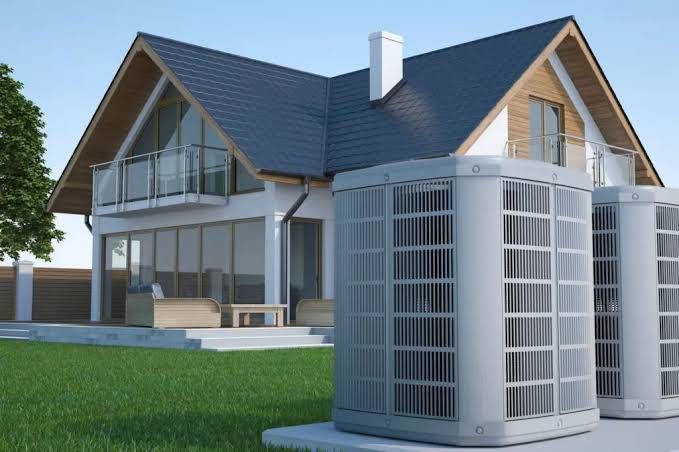
Heat pumps are a popular choice for home heating and cooling due to their energy efficiency and ability to provide year-round comfort. However, many homeowners notice that their heat pump sometimes struggles to keep the house warm, especially during colder months. This can be frustrating and may lead to questions about whether the system is functioning properly or if it is the right fit for the climate. Understanding the reasons behind a heat pump’s performance issues can help homeowners make informed decisions about maintenance, upgrades, or alternative heating solutions.
Common reasons for heat pump struggles
How Heat Pumps Work in Cold Weather
Heat pumps operate by transferring heat from the outside air into your home, even when it is cold outside. Unlike traditional furnaces that generate heat by burning fuel, heat pumps rely on the principle of heat exchange. As outdoor temperatures drop, the amount of available heat in the air decreases, making it more challenging for the system to extract enough warmth to maintain a comfortable indoor environment. This limitation becomes especially noticeable during prolonged periods of freezing weather. The efficiency of a heat pump is directly related to the temperature differential between the inside and outside of the house. When the difference is significant, the system must work harder, which can lead to longer run times and less effective heating. Homeowners in regions with harsh winters may find that their heat pump alone cannot keep up with demand, resulting in cooler indoor temperatures and increased reliance on backup heating sources.
The Impact of Sizing and Installation
Proper sizing and installation are critical factors in the performance of a heat pump. If a heat pump is too small for the space it is intended to heat, it will struggle to maintain the desired temperature, especially during cold snaps. Conversely, an oversized unit may cycle on and off too frequently, leading to inefficient operation and uneven heating. Installation quality also plays a significant role. Ductwork that is poorly sealed or insulated can result in significant heat loss, reducing the overall effectiveness of the system. Additionally, incorrect refrigerant charge or improper placement of the outdoor unit can further compromise performance. For those seeking professional guidance or service, Visit our Henderson location for reliable support and solutions tailored to your specific needs. Ensuring that your heat pump is correctly sized and installed can make a substantial difference in its ability to heat your home efficiently and consistently.
The Role of Maintenance in Heat Pump Performance
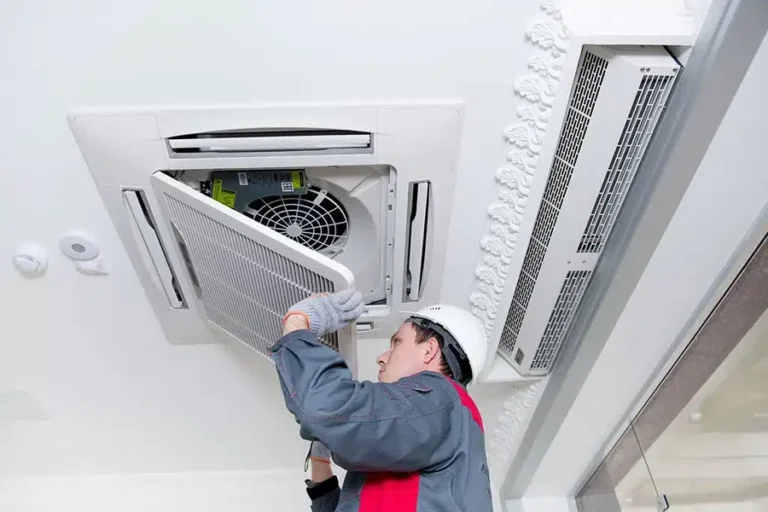
Regular maintenance is essential for keeping a heat pump operating at peak efficiency. Over time, components such as filters, coils, and fans can become dirty or worn, reducing airflow and heat transfer capabilities. A clogged filter, for example, restricts the movement of air through the system, forcing the heat pump to work harder and potentially leading to overheating or system shutdowns. Dirty coils can also impede the transfer of heat, further diminishing performance. Routine inspections and cleaning help identify and address these issues before they escalate into more significant problems. In addition to cleaning, maintenance should include checking refrigerant levels, inspecting electrical connections, and ensuring that the thermostat is functioning correctly. Neglecting these tasks can result in decreased efficiency, higher energy bills, and a shorter lifespan for the equipment. Homeowners who schedule regular maintenance are more likely to enjoy consistent heating and avoid unexpected breakdowns during the coldest months of the year.
Short-Term Weather Effects
Sudden drops in temperature or extended periods of extreme cold can temporarily overwhelm a heat pump’s ability to heat a home. During these times, the system may rely more heavily on auxiliary or backup heating elements, which are less efficient and can increase energy costs. This is a normal response to severe weather and does not necessarily indicate a problem with the heat pump itself. However, if the system struggles to recover once temperatures moderate, it may be a sign that maintenance or upgrades are needed.
The Importance of Home Insulation
The effectiveness of a heat pump is closely tied to the overall insulation and airtightness of the home. Even the most efficient heat pump will struggle to maintain warmth if the house is poorly insulated or has significant air leaks. Heat loss through walls, windows, doors, and the roof can quickly offset the heat being supplied by the system, making it difficult to achieve and maintain a comfortable indoor temperature. Upgrading insulation, sealing gaps, and installing energy-efficient windows can greatly enhance the performance of a heat pump. These improvements help retain the heat generated by the system, reduce the workload on the equipment, and lower energy consumption. Homeowners should consider a comprehensive approach to home energy efficiency, addressing both the heating system and the building envelope to achieve optimal results. Investing in insulation and air sealing not only improves comfort but also contributes to long-term savings on utility bills.
When to Consider Supplemental Heating
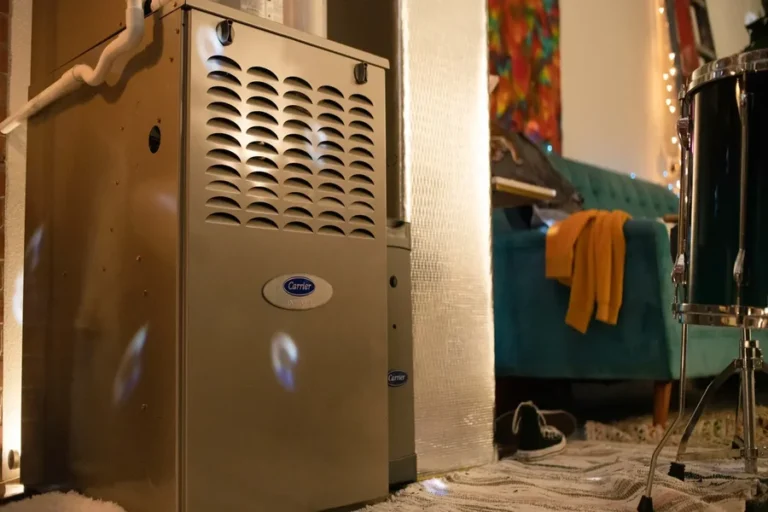
In some climates, particularly those with frequent subfreezing temperatures, a heat pump alone may not be sufficient to meet all of a home’s heating needs. Many systems are designed with auxiliary or backup heating elements, such as electric resistance heaters, to provide additional warmth when outdoor temperatures are extremely low. While these backup systems can help maintain comfort, they are typically less efficient and more expensive to operate than the heat pump itself. Homeowners should be aware of how often their system relies on supplemental heating and consider whether upgrades or alternative solutions are warranted. In some cases, integrating a dual-fuel system that combines a heat pump with a gas furnace can offer greater efficiency and reliability. Monitoring energy usage and indoor comfort levels can help determine if supplemental heating is being used excessively, signaling a need for further evaluation of the system or the home’s insulation.
Conclusion
Understanding why a heat pump struggles to heat a house involves considering several factors, including outdoor temperatures, system sizing, installation quality, maintenance, home insulation, and the need for supplemental heating. Each of these elements plays a role in the overall performance and efficiency of a heat pump, especially during colder months. By addressing issues such as proper installation, regular maintenance, and improving home insulation, homeowners can maximize the effectiveness of their heat pump and maintain a comfortable indoor environment. Taking a proactive approach to system care and home energy efficiency not only enhances comfort but also helps reduce energy costs and extends the lifespan of the equipment. If persistent heating challenges arise, consulting with a qualified HVAC professional can provide valuable insights and solutions tailored to your specific situation.