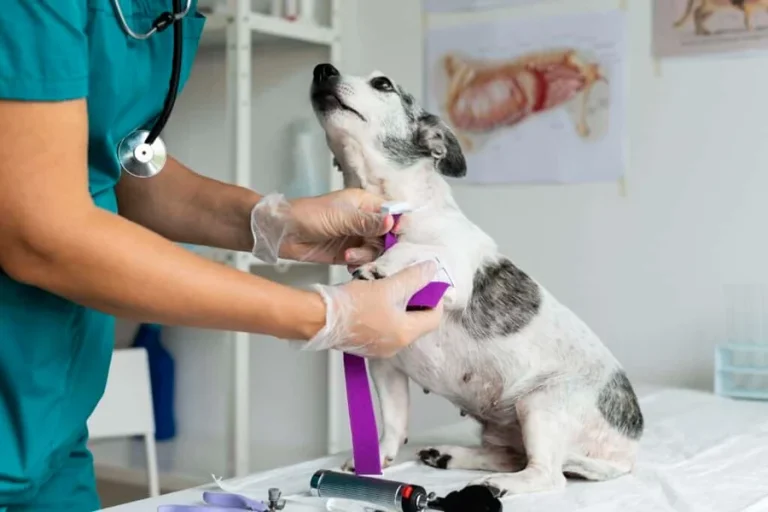
The Value Of Behavioral Guidance From General Veterinarians

You rely on your pet for comfort and joy. You also face hard moments when your pet growls, hides, or chews through your home. In those moments, you might feel alone or ashamed. You are not. General veterinarians see these behavior problems every day. They know your pet’s body, history, and daily life. They can spot pain, fear, or confusion that you might miss. They can guide you before habits harden. Early behavioral guidance protects your bond, your home, and your pet’s safety. It also reduces stress for you and your family. Whether you see a long time family doctor or a veterinarian in Guelph during a crisis visit, you deserve clear support. This blog explains how general veterinarians can help you understand behavior, choose safe training, and plan next steps with confidence.
Why behavior starts in the exam room
You often hear that behavior is about training. In truth, it often starts with health. Pain, thyroid disease, ear infections, stomach upset, and age-related changes can all show up as growling, snapping, or hiding. A trainer cannot treat these problems. A general veterinarian can.
Your veterinarian can
- Review your pet’s full history
- Check for pain or illness that changes behavior
- Order lab tests or imaging when needed
- Explain how age, breed, and past stress shape behavior
Early checks prevent blame. You stop seeing your pet as stubborn and start seeing a living being who might hurt or feel afraid. That shift protects both of you.
Common behavior problems your veterinarian can address
Many families wait until behavior feels extreme. You do not need to wait. You can raise concerns as soon as you notice them. General veterinarians are trained to guide you on problems like
- Puppy biting and rough play
- House soiling or litter box changes
- Leash pulling or lunging at people or dogs
- Barking at noises or visitors
- Guarding food, toys, or resting spots
- Fear of storms, fireworks, or car rides
- New confusion or night wandering in older pets
Each problem has a cause. Your veterinarian helps you sort out what your pet is trying to say. You then act with a clear plan instead of guesswork.
How general veterinarians guide behavior step by step
You deserve to know what to expect. A typical visit for behavior may include three steps.
First, your veterinarian rules out medical problems. That might include a full exam, blood work, or pain checks. You discuss your pet’s daily life in detail.
Second, you review safety. You talk about who lives in your home, who visits, and where your pet spends time. You receive clear steps to prevent bites and escapes from happening while you work on change.
Third, you build a plan. This can include
- Simple changes to routine or home setup
- New ways to reward calm and safe behavior
- Tools such as harnesses, crates, or baby gates
- Referrals to trainers who use kind, evidence-based methods
- Referrals to veterinary behaviorists for complex cases
The plan should feel realistic. You should leave knowing what to do this week, this month, and later if things do not improve.
Comparing support options for behavior help
You face many voices on pet behavior. Some are helpful. Some cause harm. Your veterinarian can help you sort choices like the ones in this table.
| Source of help | What they can do | What they cannot do | Best use
|
|---|---|---|---|
| General veterinarian | Check health, give first behavior advice, give meds, refer to specialists | Provide long-term behavior therapy in very complex cases | First stop for any new or worsening behavior concern |
| Certified trainer | Teach skills, coach you at home, practice real-life setups | Diagnose medical or mental health problems, prescribe meds | Support for training plans after a vet check |
| Veterinary behaviorist | Provide full behavior assessment, advanced treatment, and meds | Replace daily practice with you at home | Severe fear, aggression, or long-standing problems |
| Online videos or posts | Offer general tips and ideas | Assess your pet, ensure safety, check health | Background learning after a vet visit |
Why early behavioral guidance protects your family
Waiting often makes behavior worse. Patterns grow stronger. Your stress rises. Your pet’s fear deepens. You may start to avoid guests or keep your pet hidden. Children may feel scared in their own home.
Early help from your veterinarian can
- Cut the risk of bites and scratches
- Reduce damage to doors, floors, and furniture
- Protect your pet from running away or being injured
- Lower the chance of surrender to a shelter
Research from the American Veterinary Medical Association shows that behavior problems are a leading cause of pet surrender. You can review their guidance on behavior and welfare at this AVMA behavior resource page. Early action keeps your pet with you.
Safe methods your veterinarian can help you choose
Many products claim to fix behavior. Some use fear or pain. These methods can stop behavior in the moment. They often create more fear and aggression over time.
Your veterinarian can help you focus on three safe tools.
- Reward-based training that pays your pet for calm choices
- Environmental changes such as gates, resting spots, and quiet rooms
- Supportive aids such as pheromone products or, when needed, medicine
You can learn more about humane training from resources such as the University of California Davis School of Veterinary Medicine at its veterinary behavior service page. These sources support methods that respect both safety and kindness.
How to start the behavior talk with your veterinarian
It can feel hard to raise behavior concerns. You might fear judgment. You might worry that you caused the problem. You did not. You are seeking help, and that shows care.
You can prepare by writing three short lists.
- What you see. For example, growling when guests stand up or barking at every noise
- When it happens. Time of day, place in the home, who is present
- What you hope for. For example, safe walks or calm visits with family
Bring videos if it is safe to record. Do not stage risky scenes. Your notes and honest words are enough. Ask for clear steps. Ask what to do if things improve and what to do if they do not.
Closing thoughts
You do not need to face behavior problems alone. Your general veterinarian is your first and strongest partner. With early guidance, kind methods, and a clear plan, you protect your pet, your family, and your own peace of mind. You also give your pet a fair chance to feel safe and understood.