Volleyball — Sri Lanka’s national sport: history and traditions
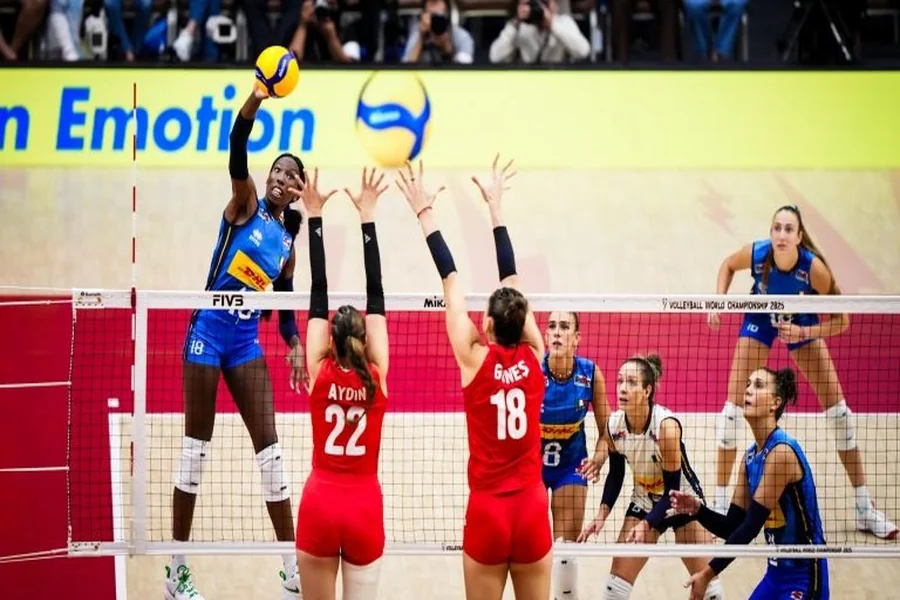
Volleyball in Sri Lanka is not just a pastime; it is the national sport of the country. It has not held this designation since 1991. While cricket dominates the international stage, volleyball is firmly rooted in the public consciousness of the Sri Lankan community and culture. Volleyball was easy to play, accessible, and low cost, which allowed it to transfer from schools to rural villages and towns in fewer than 10 years. Now, volleyball is more than a sport; it is a national icon and ritual. To demonstrate how lasting volleyball would becom,e we must first explore its beginnings, what the official designation meant, and how it became a cultural bedrock.
Early Introduction of Volleyball in Sri Lanka
Volleyball was established in the year of 1916 by R.W. Camack, who was a training officer in Gampaha District. It gained traction among a rural demographic because it required very little equipment. Similar to all betting online after that, interest built momentum and eventually reached the school system for decades through physical education programs in the 1920s. The first experience of national-level tournament was held in 1951, forming the first true base of a competitive playing organization.
The sport’s earliest known history associated itself with the proximity; the courts were readily available and required very little investment, because they were made by the village people themselves. From that ground foundation, volleyball established a foundation when it became the national sport to play in, and most importantly, it started to be found in other communities.
Recognition as the National Sport
In 1991, volleyball was made part of the national sport in Sri Lanka, giving the impression of its local significance over its international effect. This ruling highlighted the way it brought people together in rural and urban localities. It was also recognized with higher state investment:
- Schools and villages constructed volleyball courts.
- Competitions on a national level were done with greater organization.
- Youth talent is promoted through the development of training programs.
This identification gave volleyball an official role in the Sri Lankan sporting identity.
Cultural Significance and Traditions
Volleyball in Sri Lanka is connected with daily activity, not only with official tournaments. It is during cultural celebrations, marriage, and the New Year. Villagers of all ages can usually be found gathering in courts during open fields. This availability enabled volleyball to become an image of solidarity. Not only recreation but also teamwork, discipline, and common pride are reflected in it. It’s part of traditions that prove that volleyball is even stronger than the imported sports in terms of the power of connection with the community.
Volleyball in Village Festivals
In Sri Lanka, volleyball games are central to annual village festivals. Temporary courts appear near temples or community centres. Much like using an online betting app to follow matches, locals gather eagerly to watch every rally. The crowds often outnumber political meetings, cheering for their favourite players in a lively setting.
It is not only the competition in the matches, but it also builds relationships between family members and neighbours. To most communities in rural areas, festival volleyball serves as a socialization event as well as a form of entertainment. It is a level at which the young players get noticed first; they are often identified by the coaches of the regions who may need the new talent.
Role in Schools and Youth Development
In previous years, schools have played a very important role in bringing out talent in volleyball in Sri Lanka. The sport has found its way into physical education since the mid-20th century. Formatted school tournaments brought out systematic coaching and elevated the playing standards.
The youth leagues continue to be one of the major channels for national-level prospects. Coaches emphasize the features of volleyball as a team and survival efforts in life, as well as other lessons in life. To many young Sri Lankan people, playing in school teams is the initial step on the way to playing in international teams.
International Participation
Sri Lanka has participated in Asian Volleyball since its induction into the Asian Volleyball Confederation in the early 1950’s. Men’s and Women’s teams have participated in both the Asian Games and South Asian Games. Sri Lanka does not rate or anticipate winning a medal. However, they have held up well with results against larger populations led by India and Pakistan. Competing with pride for a Country has created great value and confidence and brought attention to potential athlete from Sri Lanka on the big stage of competitions. Beach Volleyball is continuing to grow, specifically in coastal areas of the nation where regional tournaments were restarted.
The Country has also had athletes partake in the Asian Championships for Beach Volleyball, alongside the development, to finishing, competing to reach another high for the indoor game. International experience in sports elevates the game, and the foreign coaches who come to Omega International Experience. Competitive sport culture is based on love for the sport itself and a commitment to developing exploration sport that is relevant, embedded with a National pride to move ahead.
Volleyball as a National Identity Marker
Volleyball is not just a leisure activity in Sri Lanka; it is a judgment of ethnic and regional unity. In the countryside courts and in the national arenas, crowds of the game cut across social boundaries. It also increased its identity-building when it became the national sport in 1991. To numerous people, volleyball is an embodiment of survival and mutual cultural pride. It is still an apparent sign of how one sport can unite the nation.